
As I sat with the Lord in my dorm chapel, my prayer was interrupted by an unexpected visitor. A melodic cricket’s chirping resonated from the flowers beneath the altar. He was likely lost, but I smiled as I listened to him serenading his Creator.
To the delight of bug enthusiasts like myself, insects are everywhere. They exist in every environment except the ocean (yes, even the Arctic!). Around one million species are named, but entomologists estimate that there are at least four to six million insect species—perhaps even as many as 10 to 20 million—inhabiting Earth. At any given moment, there are roughly 10 quadrillion insects alive on Earth. Scientist J.B.S. Haldane once quipped that God must have “an inordinate fondness” for beetles, which make up about 28 percent of known animal species. I would argue that this soft spot extends to the entire class Insecta.
For the casual entomophobe, these statistics may provoke distress or disgust. Rather than alarm, however, I intend to illustrate the tremendous extent of God’s care for creatures that many regard as the bane of nature.
Consider this: the wings of each fly that you haphazardly swat away were embroidered with an intricate pattern of venation unique to each species by the hand of your heavenly Father. He ornaments the grasses with tiny, multicolored leafhoppers and makes beetles sparkle like jewels in the sunlight.
“Since nothing that exists would exist without you, does it follow that whatever exists does, in some way, contain you?” St. Augustine wondered. In his letter to the Romans, St. Paul similarly proclaims that “What can be known about God is evident to them, because God made it evident to them … ever since the creation of the world, his invisible attributes of eternal power and divinity have been able to be understood and perceived in what he has made” (1:19-20).
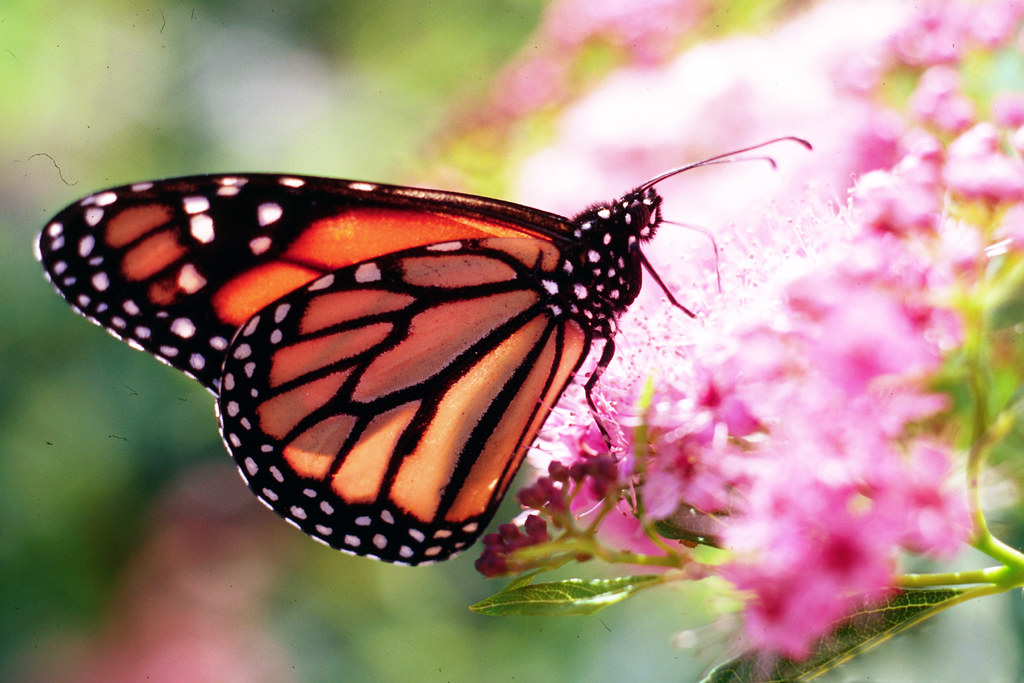
Creation is part of divine revelation. The Lord’s might is revealed in the strength of the red-legged grasshopper; his beauty in the iridescent thorax of the ebony jewelwing; his determination in the intergenerational migration of the monarch; his goodness in the diligent self-sacrifice of the honeybee.
We would be remiss to discount anything that God has made. Even mosquitoes (the only insect that I struggle to love) were molded by his hands, created with a purpose—even if that purpose is a mystery that we may never understand on this side of heaven. Mosquitoes, too, point back to their Creator.
From microscopic fairy wasps to massive Atlas moths, God carefully crafted them all. From mayflies that live a mere 24 hours as an adult to ant colony queens that reign for up to 30 years, God carves out a specific niche in nature for each insect to fulfill. From the hundreds of cockroaches that haunt residence halls to the millions of reclusive species that no human eye has yet beheld, God is constantly sustaining and breathing life into each tiny spiracle.
He dresses the lilies with beauty and splendor, and feeds every hungry sparrow (Matthew 6:28–30), and he tenderly, meticulously creates and cares for each little insect. God is eternally supporting them all; each insect has a unique note to sing in the symphony of creation (Psalm 148), without which the chord would be incomplete.
And if he so lovingly cares for the quadrillions of tiny creatures that are trodden underfoot daily, the majority of which the average human will never see or appreciate, how much more does he care for you, his beloved son or daughter created in his image and likeness?
The astonishing abundance and diversity of the world’s six-legged arthropods is a testament to God’s meticulous care for some of humanity’s least loved creatures. Their ubiquity is not an accident, but an invitation to contemplate what this care means in turn for you, his beloved.
I love the natural sciences because of the rich theology nestled within them; studying creation allows me to better meet its Creator. Entomology is a beautiful facet of biology that, I think, perfectly encapsulates the glory of God in all aspects of the world he has made.
So, I challenge you: take a second look at the ant scurrying busily across your path, the dragonfly quivering in the breeze, the bee diligently working its nine-to-five among the tulips. See the Creator’s attention to the minutest details and his care for seemingly insignificant creatures—and mirrored in this, be reminded of his unfathomable love for you.
Madeline Page is a junior studying biology. As this article indicates, she has a fondness for insects. She is known in her dorm for saving cockroaches, rather than smashing them. If you have a cockroach that you would like humanely removed (and would like her spiel on why they are actually pretty cool), contact mpage4@nd.edu.